How Does A Chemical Peel Affect Your Skin Barrier?
- Health care
- Jan 28
- 3 min read

A chemical peel is a widely used dermatological treatment that works by exfoliating the skin’s surface to encourage renewal and improve overall texture and tone. In regions with intense sun exposure, such as Dubai, interest in Chemical Peels In Dubai continues to grow as people seek solutions for dullness, uneven texture, and environmental skin stress. Reputable centers like Dynamic Life Clinic highlight the importance of understanding how this treatment interacts with the skin barrier before undergoing the procedure.
Understanding the Skin Barrier and Its Role
The skin barrier is the outermost layer of the skin that acts as a protective shield against environmental aggressors. It plays a critical role in maintaining hydration, preventing moisture loss, and defending against pollutants and microbes. When intact, the barrier supports healthy-looking skin and reduces sensitivity caused by external stressors common in hot, urban climates.
A compromised barrier can lead to dryness, irritation, and increased sensitivity, making it essential to understand how aesthetic treatments influence this layer.
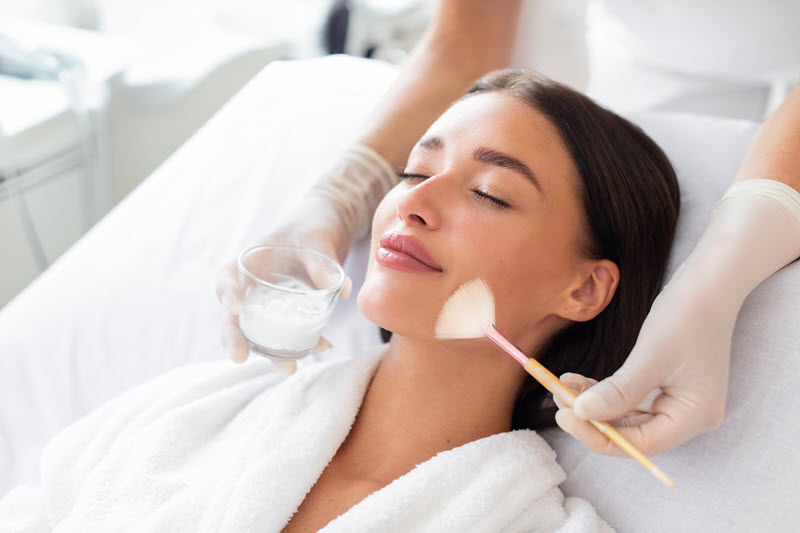
How a Chemical Peel Interacts With the Skin Barrier
A chemical peel works by applying a solution that exfoliates the outer layers of the skin. This process intentionally disrupts the skin barrier for a controlled period to stimulate cellular turnover and regeneration. While this disruption is temporary, it triggers a natural repair response that can strengthen the skin over time when managed correctly.
The depth of the peel determines the level of impact on the barrier, with superficial peels causing mild exfoliation and deeper peels affecting multiple layers of the skin.
Immediate Effects on the Skin Barrier
Right after a chemical peel, the skin barrier becomes more permeable. This increased permeability allows for enhanced absorption of skincare products but also makes the skin more sensitive to external factors.
Common short-term effects include:
Increased dryness or tightness
Temporary redness or sensitivity
Mild flaking as old skin sheds
These effects are part of the natural exfoliation and renewal process rather than signs of damage.
Skin Barrier Recovery and Repair Process
Following the initial exfoliation, the skin begins rebuilding its protective barrier. New skin cells replace the exfoliated layers, often resulting in a smoother texture and more even appearance. During this phase, hydration and protection are essential to support barrier restoration, particularly in Dubai’s climate where heat and sun exposure can slow recovery.
A well-supported recovery phase helps the skin regain strength and resilience.
Long-Term Impact on Skin Health
When performed appropriately, chemical peels can contribute to a healthier skin barrier over time. By removing damaged surface cells, the treatment promotes better cell communication and improved skin function. Repeated exposure to pollution and UV radiation can weaken the barrier, and controlled exfoliation may help counteract these effects by encouraging consistent renewal.
Over time, many individuals notice improved texture, clarity, and a more balanced skin response.
Who Should Be Mindful of Skin Barrier Sensitivity
Certain skin types require extra caution when considering chemical peels due to barrier sensitivity. Individuals with naturally dry or reactive skin may experience stronger temporary barrier disruption.
Factors to consider include:
Existing skin sensitivity
Environmental exposure levels
Previous exfoliation habits
Proper assessment helps ensure the treatment aligns with the skin’s tolerance level.
Supporting the Skin Barrier After a Chemical Peel
Post-treatment care plays a key role in how the skin barrier responds. Protecting the skin from environmental stressors allows it to recover efficiently and reduces the risk of prolonged sensitivity. Gentle routines focused on hydration and sun protection are especially important in high-UV environments.
Avoiding harsh exfoliation during recovery supports natural barrier repair.
Conclusion
A chemical peel temporarily affects the skin barrier by design, initiating a renewal process that can improve overall skin quality when managed responsibly. Understanding this interaction helps individuals make informed decisions, especially in climates like Dubai where environmental factors heavily influence skin health. With proper care and professional guidance, chemical peels can work in harmony with the skin barrier rather than against it.


Comments