Acne Treatment for Hormonal Acne Made Simple
- Health care
- 6 days ago
- 4 min read

Hormonal breakouts can feel frustrating because they often appear without warning and seem resistant to ordinary skincare. If you are searching for Acne Treatment in Dubai, understanding the root cause of hormonal acne is the first step toward achieving clearer skin. Rather than relying on temporary fixes, a personalized approach can help reduce inflammation, prevent recurring blemishes, and improve overall skin health.
Understanding Hormonal Acne
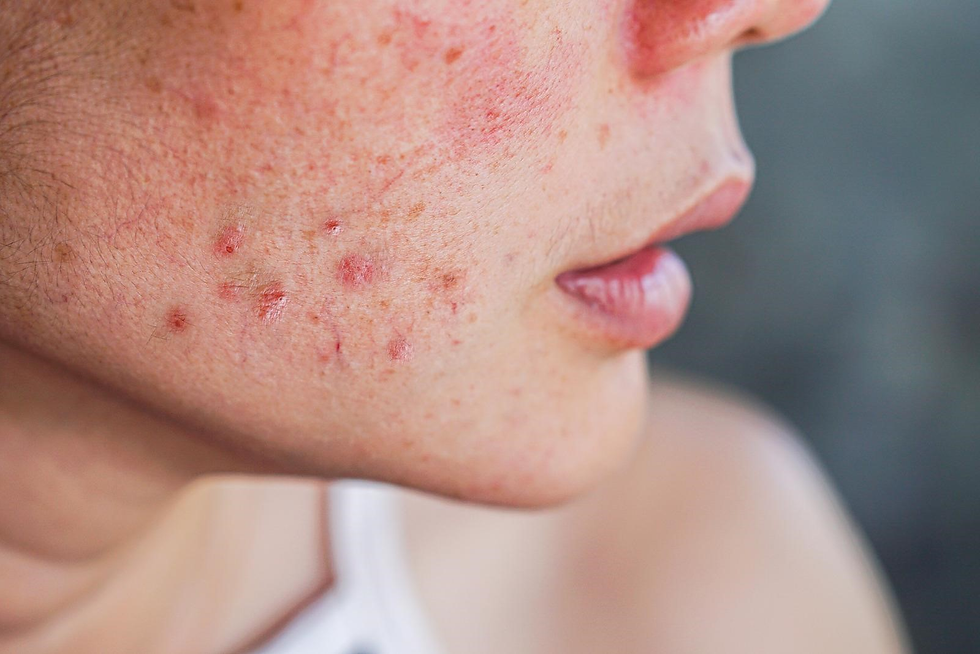
Hormonal acne develops when fluctuations in hormone levels stimulate excess oil production in the skin. This additional sebum combines with dead skin cells and bacteria, leading to clogged pores, inflammation, and painful blemishes. Unlike occasional pimples, hormonal acne tends to appear repeatedly in similar areas, particularly around the jawline, chin, and lower cheeks.
Although teenagers frequently experience hormonal acne during puberty, adults can also struggle with persistent breakouts. Factors such as stress, menstrual cycles, pregnancy, and hormonal imbalances may all contribute to recurring flare-ups. Because these triggers differ from person to person, identifying the underlying cause is an important part of creating an effective treatment strategy.
Why Hormonal Acne Is Different
Hormonal acne behaves differently from common acne because internal changes influence the condition more than external factors. While proper cleansing is helpful, skincare products alone may not completely control recurring breakouts. The skin often produces excess oil deep within the pores, making inflammation more difficult to manage.
Common characteristics of hormonal acne include:
Deep, tender cysts beneath the skin.
Breakouts concentrated around the chin and jawline.
Recurring pimples in the same locations.
Increased oiliness during hormonal changes.
Slow healing with a greater chance of post-acne marks.
Recognizing these patterns allows individuals to choose treatments that address the source of the problem rather than simply covering the visible symptoms.
Building a Consistent Skincare Routine
A gentle and consistent skincare routine plays an important role in managing hormonal acne. Harsh scrubbing or excessive cleansing can weaken the skin barrier, leading to additional irritation and increased oil production. Instead, selecting products that support skin balance often delivers better long-term results.
Start with a mild cleanser that removes excess oil without stripping natural moisture. Follow with lightweight hydration to maintain the skin barrier, and use non-comedogenic products that reduce the likelihood of clogged pores. Daily sun protection is equally important because ultraviolet exposure may worsen pigmentation left behind after acne heals.
Lifestyle habits also contribute to healthier skin. Drinking enough water, maintaining a balanced diet, managing stress, and getting adequate sleep can all support the skin's natural recovery process while reducing common triggers associated with hormonal fluctuations.
Professional Options for Better Results
When breakouts become persistent or severe, professional care may provide more noticeable improvements than home remedies alone. Acne Treatment plans are often customized according to skin type, acne severity, and individual concerns. Instead of applying the same solution to everyone, treatment strategies focus on controlling inflammation, minimizing future breakouts, and improving skin texture over time.
Professional approaches may include advanced skincare procedures designed to cleanse congested pores, reduce excess oil production, encourage skin renewal, and lessen the appearance of acne marks. Combining different methods often produces better outcomes than relying on a single technique because hormonal acne usually has multiple contributing factors.
Patience is essential throughout the treatment process. Visible improvements may develop gradually as the skin completes its natural renewal cycle, making consistency one of the most important factors in achieving lasting results.
Everyday Habits That Support Clearer Skin
Daily choices can influence how often hormonal acne appears. While these habits may not eliminate acne entirely, they can reduce unnecessary irritation and help maintain healthier skin between treatments.
Consider these practical habits:
Avoid picking or squeezing blemishes.
Clean makeup brushes and applicators regularly.
Remove makeup thoroughly before sleeping.
Change pillowcases frequently.
Choose skincare products labeled as non-comedogenic.
Manage stress through regular exercise, relaxation, or mindfulness techniques.
Small adjustments made consistently often contribute to healthier-looking skin while supporting professional treatment plans.
Setting Realistic Expectations
Many people expect acne to disappear within a few days, but hormonal acne usually requires ongoing management. Skin responds gradually, and even effective treatments need time to reduce inflammation and regulate oil production. Temporary fluctuations may occur before noticeable improvements become visible.
It is also important to understand that everyone's skin responds differently. Age, hormone levels, genetics, lifestyle, and existing skincare routines all influence treatment outcomes. Comparing progress with someone else's experience can create unrealistic expectations and unnecessary frustration.
Monitoring changes through regular photographs or simple notes can make gradual improvements easier to recognize. This approach encourages consistency and helps identify patterns that may trigger future flare-ups.
Preventing Future Breakouts
Long-term acne management focuses not only on treating active blemishes but also on preventing new ones from forming. Maintaining a steady skincare routine, avoiding products that clog pores, and addressing hormonal triggers whenever possible can significantly reduce recurring breakouts.
Regular skin assessments also allow adjustments to your routine as your skin changes with age, seasons, or lifestyle factors. Preventive care is often more effective than waiting until severe inflammation develops because early intervention minimizes the risk of acne scars and persistent discoloration.
Clearer skin is usually the result of consistent care rather than quick solutions. Understanding your skin's unique needs and following a structured approach helps create lasting improvements that extend beyond temporary cosmetic benefits.
Conclusion
Managing hormonal acne becomes much easier when the focus shifts from temporary fixes to long-term skin health. A thoughtful combination of healthy skincare habits, lifestyle adjustments, and professional guidance can reduce recurring breakouts while supporting smoother, healthier-looking skin. For individuals seeking personalized care, Dynamic Clinic offers tailored approaches designed to address hormonal acne based on individual skin concerns and treatment goals.

Comments